Your Source To Carbon Credits, Sustainability & ESG

  • Direct Carbon Capture

Direct Carbon Capture

June 2024 marked a significant milestone: it became the twelfth consecutive month where the global average surface temperature exceeded 1.5 °C above the pre-industrial (1850–1900) baseline.

While several months in 2024 exceeded 1.5 °C, June 2024 stands out as the month that completed the first year-long run above this critical climate benchmark.

When averaged with 2023, the global temperature for the two-year period reached 1.54°C above the 1850–1900 baseline, commonly used to represent the pre-industrial era.

This development holds significant weight in light of the UNFCCC Paris Agreement, which sets the goal of keeping the rise in global average temperature “well below 2°C” and striving to limit it to 1.5°C. While the agreement doesn’t specify exactly when this target is considered crossed, scientific consensus holds that a sustained increase—averaged over multiple decades—is required to confirm that the limit has been breached.

Isolated years exceeding 1.5°C do not mean the goal is lost. However, with global temperatures rising by more than 0.2°C per decade, the world is likely to cross the 1.5°C threshold permanently sometime in the 2030s.

The need to remove billions of tonnes of CO₂ and there GHGs from the atmosphere annually to meet climate goals and avoid catastrophic tipping points has led to the rise of engineered carbon capture technologies—machines that suck CO₂ from the air and store it underground. While promising, these technologies are energy-intensive, costly (averaging nearly $800-$1000+ per tonne of CO₂ removed), are still at pilot stages of deployment.

That’s where industrial hemp provides a compelling, complementary solution.
Nature’s Blueprint for a Low-Carbon Future: Industrial Hemp

Industrial Hemp is Natural Engine for Carbon Sequestration, as the world grapples with the intensifying impacts of climate change, the urgency to not only reduce emissions but also actively remove carbon dioxide from the atmosphere has never been greater. The conversation around direct carbon capture—or Direct Air Capture (DAC)—often focuses on high-tech, machine-based systems. However, nature offers a powerful, low-cost, and scalable alternative: industrial hemp.

Hemp has existed for millennia, long recognised for its diverse uses—from textiles and construction to food and fuel. But in recent years, its role as a climate solution has come into sharper focus. Industrial hemp is now emerging as a vital tool in the global carbon drawdown toolkit, offering unique advantages that combine environmental impact, social inclusion, and economic opportunity.

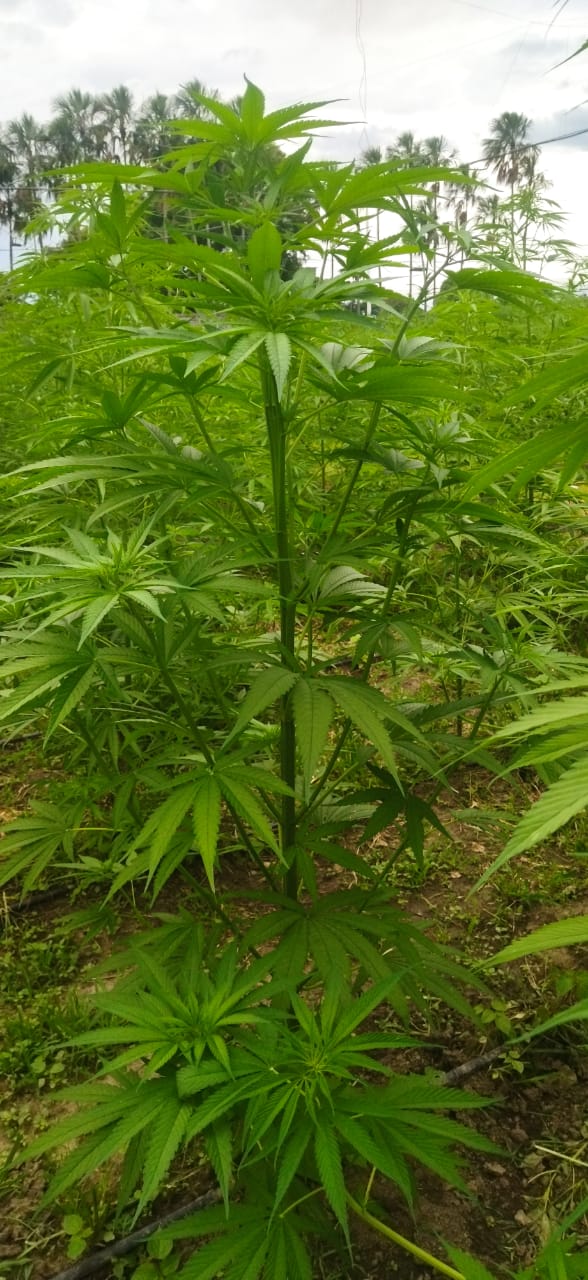
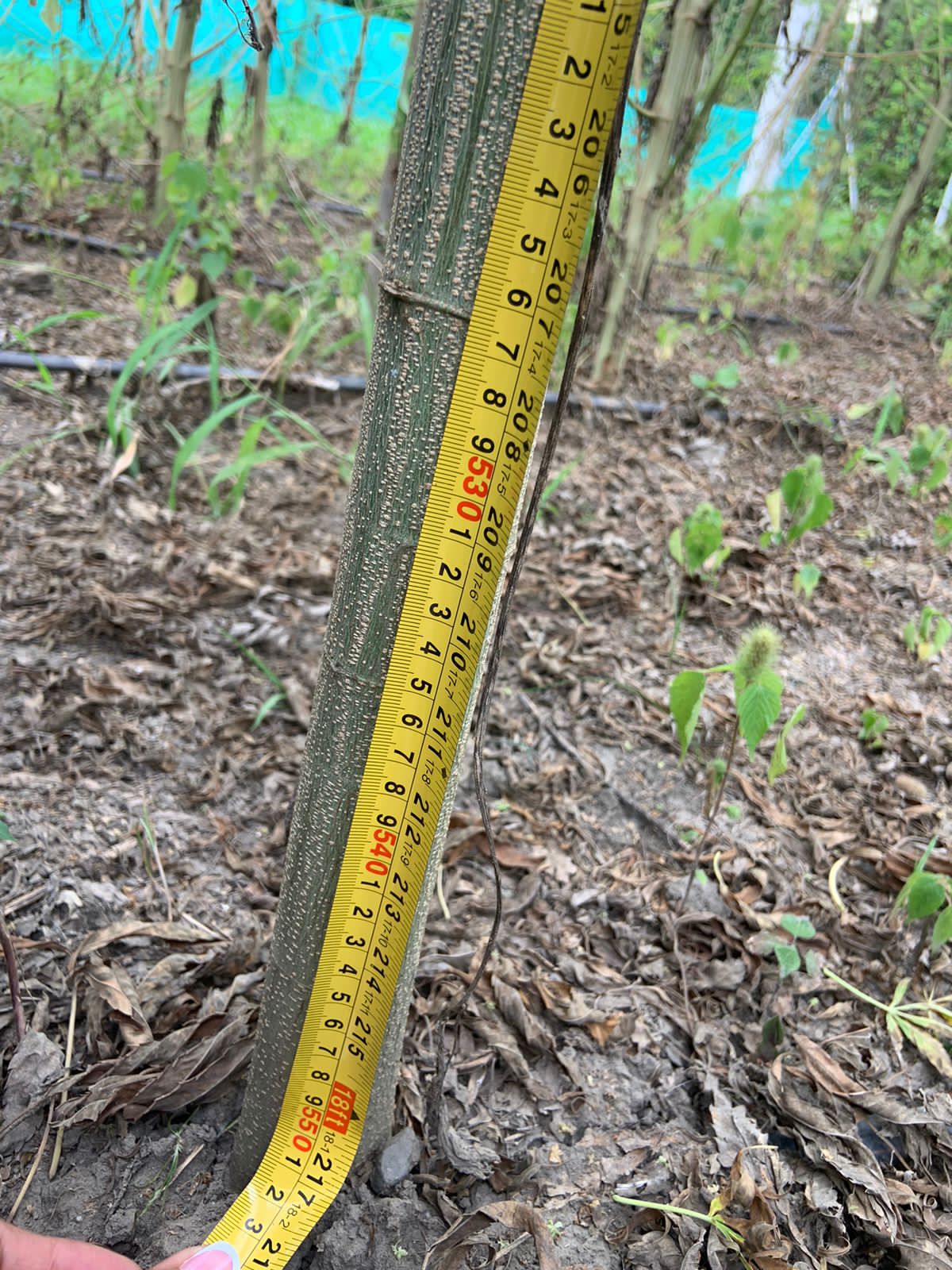
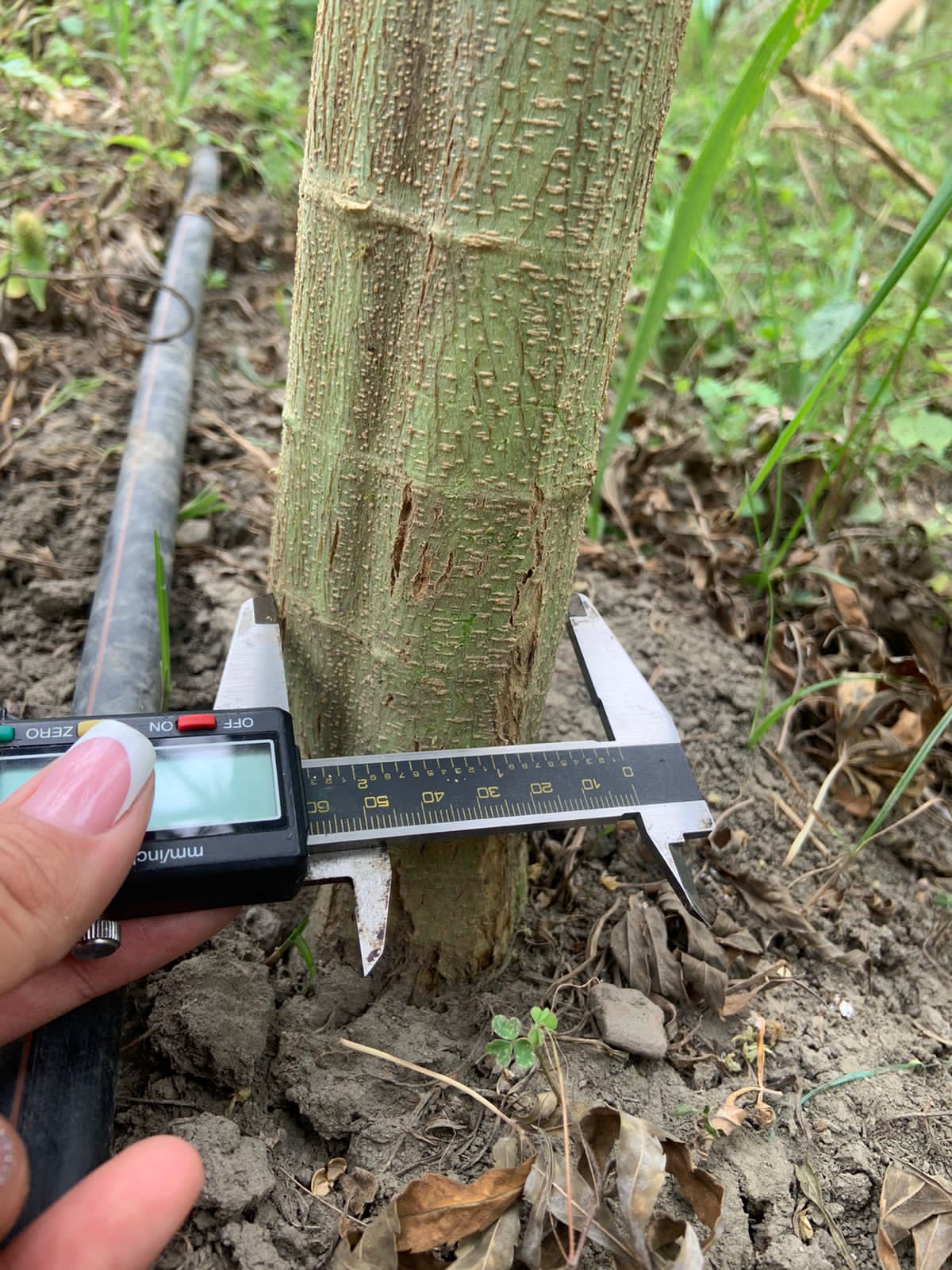
Industrial hemp (Cannabis sativa L.) is a fast-growing, hardy, non-psychoactive variety of cannabis that thrives in diverse climates. Unlike conventional crops, it grows rapidly (up to 4 meters in 90–120 days), and can be cultivated without synthetic fertilisers or pesticides.

Most importantly, it is a carbon-sequestering powerhouse.

Studies estimate that 1 hectare of hemp can capture between 18 to 22 tonnes of CO₂ per growth cycle, depending on biomass yield and growing conditions. For every tonne of dry hemp biomass, up to 1.63 tonnes of CO₂ is captured from the atmosphere through photosynthesis.

Unlike trees that take decades to mature, hemp can be harvested in three months—allowing multiple planting cycles per year. This makes it one of the most efficient biological carbon capture systems on Earth.

Long-Term Carbon Lock-In

Capturing carbon is only half the equation. The key lies in locking that carbon away—ensuring it doesn’t return to the atmosphere.

This is where Industrial hemp-derived products offer a unique advantage. The carbon stored in the plant’s cellulose-rich stalk can be preserved for decades when converted into:

  • Hempcrete (a carbon-negative building material)
  • Bio-composites for automotive or aerospace use
  • Fiber insulation for green buildings
  • Bioplastics and packaging solutions

By integrating hemp into construction, packaging, and durable goods, we not only reduce our reliance on fossil-based materials but also lock captured carbon into long-term infrastructure.

Dual Benefit

Regenerating Soil, Restoring Land

Industrial Hemp is not just good above ground. It improves soil health below the surface.

Its deep roots aerate compacted soil, improve water retention, and enhance microbial diversity—making it an ideal rotation crop for regenerative farming. Hemp can grow on marginal or degraded lands, helping restore their fertility and enabling carbon to be sequestered in both biomass and soil.

This dual benefit—carbon drawdown and soil regeneration—makes hemp a unique natural ally in combating both climate change and desertification.

PLUS

Empowering Farmers, Enabling Green Economies

In India, where millions of smallholder farmers face erratic weather, debt cycles, and soil degradation, industrial hemp offers a pathway to climate-resilient livelihoods.

Industrial Hemp cultivation can:

  • Diversify farm income
  • Reduce dependence on resource-intensive crops like cotton
  • Open access to carbon credit markets and green finance
  • Create jobs in rural processing units, construction, and bio-based industries

Industrial Hemp’s versatility—from seed to stalk—means zero waste and multiple revenue streams. By integrating hemp into the agricultural value chain, we build not just environmental sustainability, but economic dignity and rural empowerment.

Nature has always known how to heal. In our race against climate change, it’s time we listened.

Industrial hemp isn’t a silver bullet—but it is a powerful piece of the puzzle. As a carbon sink, a soil restorer, and an economic enabler, hemp offers a real, regenerative alternative to machine-driven carbon capture.

In the hands of farmers, builders, innovators, and policymakers, hemp can lead the transition toward a low-carbon, inclusive, and regenerative future.

Let’s plant it, grow it, and let it breathe life—back into the Earth.