Policies reducing air pollution
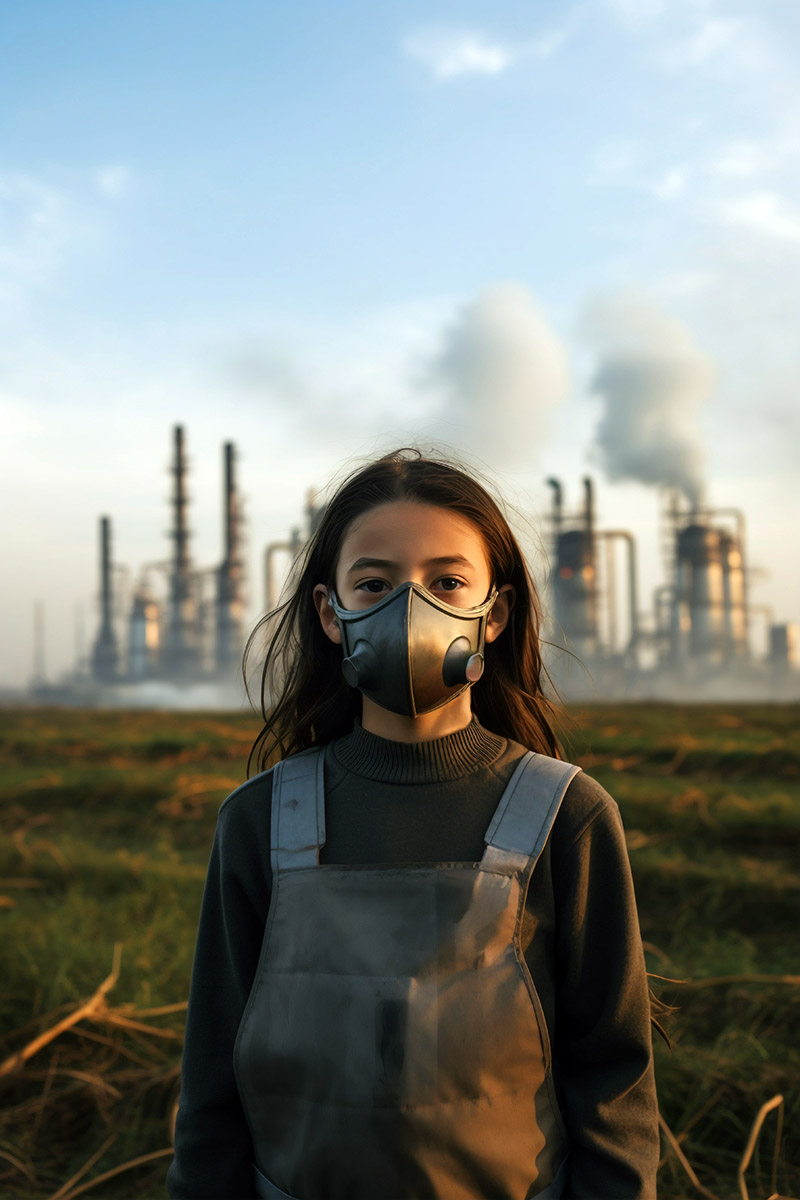
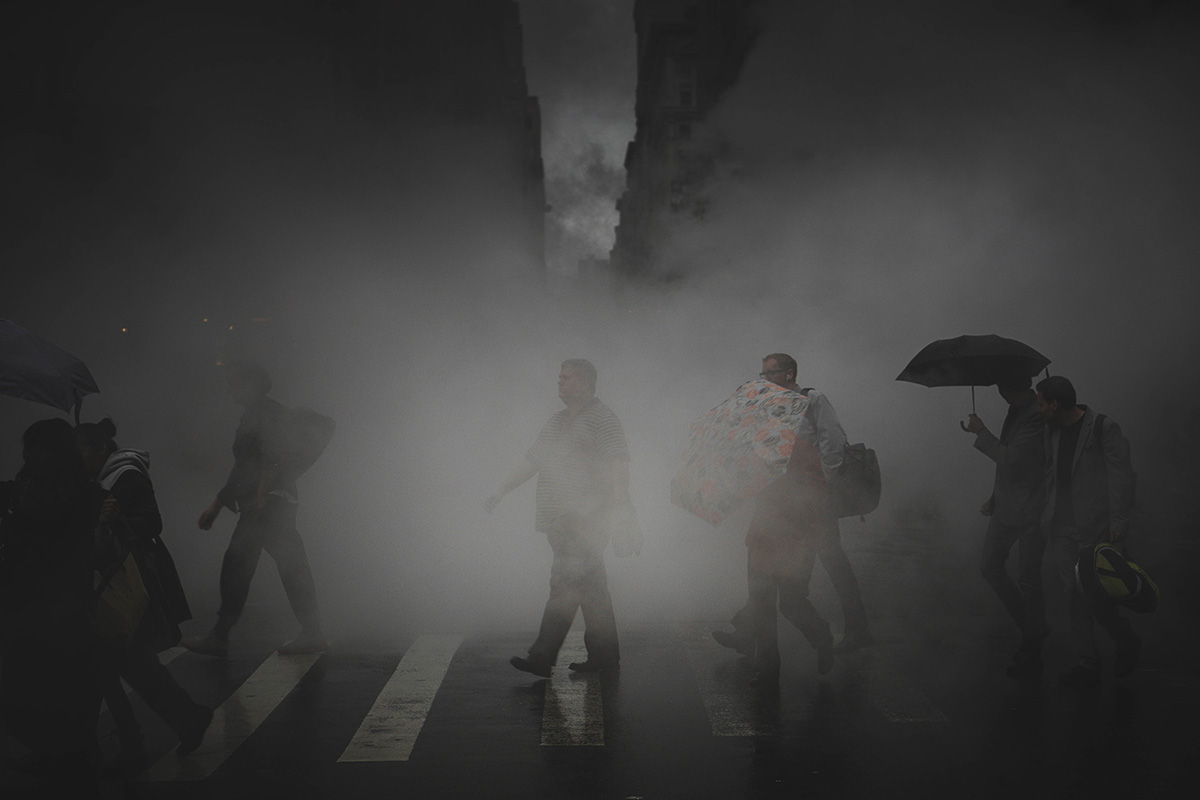
Addressing air pollution, which is the second highest risk factor for noncommunicable diseases, is key to protecting public health.
Most sources of outdoor air pollution are well beyond the control of individuals and this demands concerted action by local, national and regional level policy-makers working in sectors like energy, transport, waste management, urban planning and agriculture.
There are many examples of successful policies that reduce air pollution:
- Industry: Clean technologies that reduce industrial smokestack emissions; improved management of urban and agricultural waste, including capture of methane gas emitted from waste sites as an alternative to incineration (for use as biogas);
- Energy: Ensuring access to affordable clean household energy solutions for cooking, heating and lighting;
- Transportation: Shifting to clean modes of power generation; prioritising rapid urban transit, walking and cycling networks in cities as well as rail interurban freight and passenger travel; shifting to cleaner heavy-duty diesel vehicles and low-emissions vehicles and fuels, including fuels with reduced sulphur content;
- Urban Planning:Improving the energy efficiency of buildings and making cities more green and compact, and thus energy efficient;
- Power Generation: Increased use of low-emissions fuels and renewable combustion-free power sources (like solar, wind or hydropower); co-generation of heat and power; and distributed energy generation (e.g. mini-grids and rooftop solar power generation);
- Municipal and Agricultural Waste Management: Strategies for waste reduction, waste separation, recycling and reuse or waste reprocessing, as well as improved methods of biological waste management such as anaerobic waste digestion to produce biogas, are feasible, low-cost alternatives to the open incineration of solid waste – where incineration is unavoidable, then combustion technologies with strict emission controls are critical; and
- Health Care Activities: Putting health services on a low-carbon development path can support more resilient and cost-efficient service delivery, along with reduced environmental health risks for patients, health workers and the community. In supporting climate friendly policies, the health sector can display public leadership while also improving health service delivery.
The guidelines also offer qualitative statements on good practices for the management of certain types of particulate matter (PM), for example black carbon/elemental carbon, ultra-fine particles, and particles originating from sand and dust storms, for which there is insufficient quantitative evidence to derive AQG levels.
Some of the Common Pollutants in the Air
Particulate matter (PM)
PM is a common proxy indicator for air pollution. There is strong evidence for the negative health impacts associated with exposure to this pollutant. The major components of PM are sulphates, nitrates, ammonia, sodium chloride, black carbon, mineral dust and water.
Carbon monoxide (CO)
Carbon monoxide is a colourless, odourless and tasteless toxic gas produced by the incomplete combustion of carbonaceous fuels such as wood, petrol, charcoal, natural gas and kerosene.
Ozone (O3)
Ozone at ground level – not to be confused with the ozone layer in the upper atmosphere – is one of the major constituents of photochemical smog and it is formed through the reaction with gases in the presence of sunlight.
Nitrogen dioxide (NO2)
NO2 is a gas that is commonly released from the combustion of fuels in the transportation and industrial sectors.
Sulphur dioxide (SO2)
SO2 is a colourless gas with a sharp odour. It is produced from the burning of fossil fuels (coal and oil) and the smelting of mineral ores that contain sulphur.